
Identify the roof tile before shopping for a replacement
A roof tile has a shape, material and system of connection as well as a colour. Two tiles can look similar in a photograph while having different side channels, underside features or overall proportions. Buying a visually close match before the roof has been assessed can leave you with a stack that cannot be used where the damaged tile sits.
Start with records already available. An original building specification, reroofing invoice or labelled spare may narrow the identification. Keep the exact wording rather than simplifying it to grey concrete tile or red terracotta. If the roof has been repaired before, note that different areas may not contain the same product. An extension can also have a different covering from the original house.
For a home in Pakenham or Officer, the age of the estate is not enough to identify the tile. Builders used different products and homeowners may have changed them. Ask the roofer to confirm the installed material and profile, then identify a replacement route. This keeps the purchasing decision tied to the roof you have rather than a neighbour's roof that looks similar from the street.
Gather evidence without removing a tile yourself
An accessible spare at ground level can provide useful photographs. Capture its top face, side shape and underside markings if you can do so safely without moving a heavy or unstable stack. Put the photographs together with a view of the roof from the ground. Do not climb onto the roof or lift an installed tile merely to obtain a product number.
A spare left in a shed is a clue, not proof. It could belong to an earlier roof, an extension or somebody else's leftover materials. Ask the person assessing the roof to compare it with the installed product. If you already have an invoice naming a tile, tell the contractor whether that invoice relates to the original installation or a later repair.
Photograph the damaged area from a safe place and describe its location. A tile beside a valley may need a cut shape or different handling from a tile in the middle of a roof plane. A ridge cap is another component again. Describing every item as a spare roof tile can lead to the wrong enquiry. Let the roofer identify whether ordinary field tiles, special pieces or associated components are needed.
Functional fit comes before colour matching
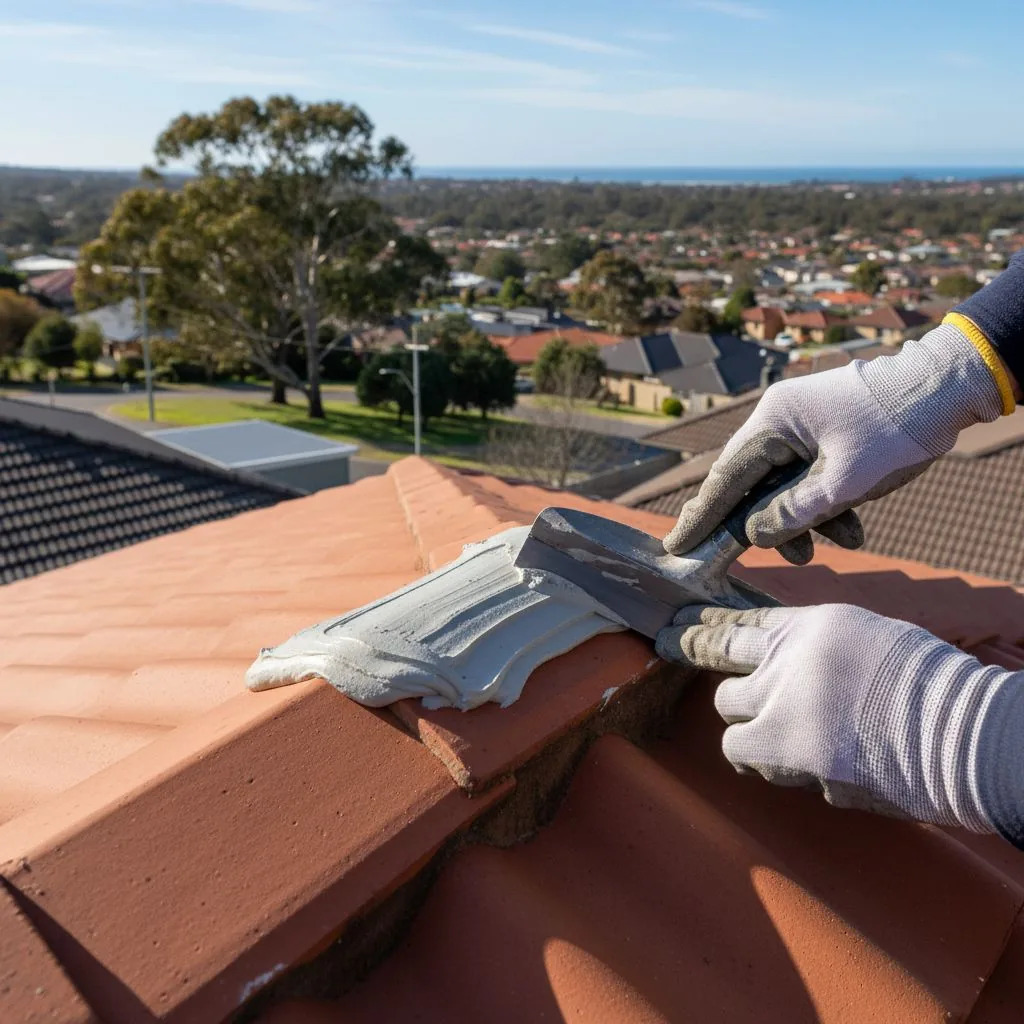
The replacement must sit correctly with the neighbouring tiles and the support arrangement. If a tile rocks, pushes an adjacent piece out of alignment or leaves an unintended opening, a close colour match does not make it suitable. Ask how compatibility will be confirmed and whether a trial fit is needed before a larger quantity is ordered.
A homeowner should not be expected to judge interlock compatibility from a catalogue image. Ask the roofer to explain the relevant differences in plain language. For example, the issue may be the way the side edges join or the way the tile sits on the roof. The answer should identify what makes the selected product appropriate, rather than simply saying it is the nearest available match.
Be cautious about proposals to force an unsuitable tile into place and conceal the difference with a surface product. A repair needs a sound underlying arrangement. If no matching stock is available, the contractor should explain the alternative scope and why it is necessary. That may involve a more considered change to an area of roof, but scarcity alone should not become an unexplained recommendation to replace everything.
Evaluate new stock and reclaimed stock differently
New stock can provide a consistent product where the correct profile remains available. It may still differ visibly from weathered tiles on the roof. Reclaimed stock may offer a closer appearance or a discontinued profile, but each piece needs condition assessment. Neither source is automatically the better option without knowing the roof, the repair location and the available material.
For reclaimed tiles, ask who checks for cracks, damaged interlocks and other defects before installation. A photograph of the upper face cannot show every relevant condition. Ask what happens if supplied pieces are unsuitable when examined more closely. It is better to resolve responsibility for rejected stock before arranging access and lifting the damaged area.
Quantity planning also matters. The number of visibly broken tiles is not necessarily the complete replacement requirement, particularly where surrounding pieces need lifting to reach a junction. Ask for a sensible allowance based on the inspection, and ask what becomes of unused stock. Avoid buying an arbitrary large batch simply because the seller says the profile is rare. The roofer should connect the order to an actual repair plan.
Ask whether the supplier can reserve confirmed stock while the repair is scheduled. If stock is limited, settle identification and condition checks before paying for transport or arranging roof access. Keep the receipt and any photographs used to approve the selection. If a substitute is proposed at delivery, have the roofer reassess it rather than treating a different product name as an administrative change.
| Feature | Why it matters | Useful evidence |
|---|---|---|
| Material and profile | Appearance alone does not establish compatibility | Product records and roof assessment |
| Interlock and underside | Adjacent tiles must sit and connect correctly | Accessible spare viewed from multiple sides |
| Condition | A matching old tile may already be damaged | Inspection of both faces and edges |
| Colour and finish | Weathering can prevent an exact visual match | Sample comparison in suitable daylight |
Agree a realistic appearance outcome
A repaired roof may show some difference even when the replacement tile is functionally correct. Sun exposure, previous coating, surface deposits and weathering can change appearance across the same roof. A catalogue colour is therefore a starting point for discussion, not a promise of an invisible patch. Ask to see the proposed tile in comparable daylight where that is practical.
If the repair sits on a prominent front plane, explain your appearance priority early. Ask whether the proposed placement is the best practical arrangement and whether moving sound existing tiles is appropriate for that roof. That decision belongs in the repair plan because extra handling may add risk or labour. It should not be assumed that tiles can simply be shuffled around without consequences.
A future painting plan does not remove the need for a proper match. First establish the tile material and condition, then determine whether the proposed coating system is suitable. Do not assume every tile surface should be painted merely to hide a few replacements. Separate the weatherproof repair from optional appearance work so you can make each decision with a clear understanding of its purpose.
Hypothetical example: the spare stack is not the answer
Imagine a homeowner discovers several damaged tiles while arranging valley work. There is a stack beside the shed that looks the right colour. The first thought is to tell the roofer to use those tiles and remove replacement stock from the quote. That could save an unnecessary purchase, but only if the stack is suitable.
The roofer compares an accessible spare with the installed profile and finds that the stack belongs to an old garage extension. The main roof uses a different shape. The homeowner avoids paying for a failed attempt to fit the wrong tile and can seek the correct stock before the valley is opened. The useful discovery is a compatibility difference, not an automatic reason for a larger restoration.
Now suppose some correct-profile reclaimed stock is available. The roofer checks its condition and explains that the weathered colour will vary slightly. The homeowner agrees to the functional repair and records the visual expectation before work starts. A clear decision about fit, condition and appearance is more useful than arguing afterwards about whether the repaired area should have looked exactly like an untouched roof.

Use the repair to understand why tiles broke
Replacing damaged pieces addresses the immediate condition, but repeated breakage deserves an explanation. Ask whether the pattern suggests isolated damage, disturbance from previous work or an issue that needs broader investigation. The contractor should distinguish observations from assumptions. A broken tile near a solar array is not, by itself, proof of who broke it.
Ask for a roof map where damage is scattered. A list of locations can reveal whether every problem is beside a particular junction or whether unrelated areas are involved. If the same location has been repaired before, provide the earlier invoice and photographs. Replacing another tile in the same spot without considering the recurring cause may leave the household repeating the same callout.
Avoid turning a small repair into a coating decision before the cause is understood. Coating is not a substitute for correctly fitted sound tiles. Equally, do not reject broader work if the inspection documents widespread problems that make a local repair impractical. The important distinction is evidence: the recommendation should explain the condition, the proposed extent and what the narrower alternative would leave unresolved.
Store useful spares and keep the identification record
At handover, ask for the confirmed manufacturer and profile where they can be identified, along with photographs of the product or markings. Retain any supplier information that helps locate the same material later. If identification remains uncertain, record that honestly with the comparison evidence instead of giving the tile an invented name.
Discuss whether keeping a modest number of suitable spares is useful for your roof. If so, agree a safe storage position and method with the supplier or roofer. A precarious outdoor stack creates a handling problem and can damage pieces before they are needed. Keep the identification details with your house records so a future owner or contractor knows what the spares relate to.
The final repair record should show the area addressed and any associated junction work, not just a count of tiles used. Ask whether the surrounding roof was checked after reinstatement and whether any unresolved issues remain. The enquiry builder below helps organise what you know, where the damage sits and how much appearance matters. It gives the contractor a useful starting point while leaving the actual compatibility decision to an inspection.