
Describe the failure before choosing a treatment
Peeling, bubbling, fading and staining are different observations. Describe what you can see from a safe position and photograph the affected roof plane. Large flakes exposing another colour suggest a different investigation from a uniform loss of colour intensity. Neither observation, on its own, tells you which preparation or product should be used next.
Identify whether the change is confined to one area or spread across the roof. Note whether it follows a previous patch, sits beneath overhanging vegetation or occurs on several differently exposed planes. These patterns can help an assessor decide where to inspect more closely. They should not be used to diagnose the cause from the driveway.
If there is also a ceiling leak, record it separately. A roof can have an appearance problem and a water-entry problem at the same time, with different causes. Ask the inspection to address both. The coating proposal should explain the surface treatment, while the repair proposal should identify defective tiles, sheets or junctions. Combining everything under the word restoration can make it difficult to know what is actually being fixed.
Establish what the roof is made from
Concrete tiles, terracotta tiles and coated metal are not interchangeable substrates. A system intended for one surface cannot simply be assumed suitable for another. Older coatings can further complicate the decision because the new product may be applied to that old layer rather than directly to the original roof material. Ask for both the roof substrate and the existing finish to be identified.
Monier's maintenance guidance distinguishes repainting concrete tiles for appearance from the natural colour of terracotta. It also says repainting does not improve tile waterproofing. That is a useful reason to separate colour work from a leak-repair decision. Obtain advice for the actual tile and proposed product rather than treating any coating as a universal protective repair.
On a metal roof, ask whether the concern is the existing finish, contamination, corrosion or a combination. Paint cannot be assumed to restore missing or seriously deteriorated metal. The assessor should describe what remains sound and what requires repair before the appearance work starts. A colour chart belongs later in the decision, after the surface and the work it needs are understood.
Ask which layer is failing
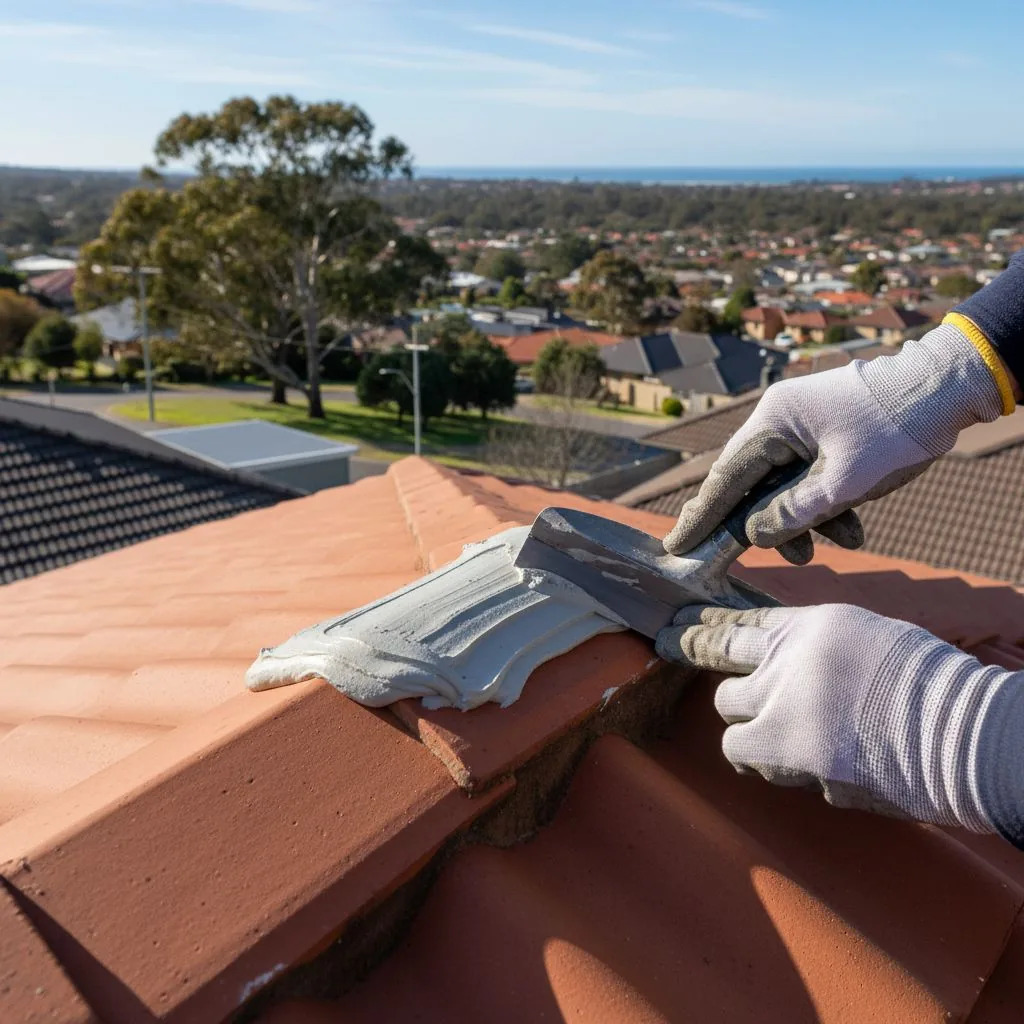
A roof may have more than one coating layer. If the upper layer is separating from the one below, adding another layer may leave the same weak connection underneath. If the coating is separating from the original surface, the preparation question is different again. Ask the assessor to explain which interface appears to be failing and what evidence supports that conclusion.
Useful evidence can include labelled close-up photographs and appropriate surface assessment by the contractor or product specialist. Do not scratch or scrape an unknown roof finish yourself to investigate it. Ask whether testing or manufacturer advice is needed before the scope can be finalised. Where the surface history is unknown, a confident promise made without assessment should invite further questions.
The written proposal should explain what will be removed, what can remain and how the retained surface will be judged suitable. Phrases such as prepare as necessary leave too much unstated for a roof that has already experienced coating failure. You want to understand how the proposed work avoids repeating the same weak connection, while recognising that concealed conditions may require a documented change after work begins.
Read preparation as part of the job
Preparation is more than making the roof look clean on the day. It must leave a surface suitable for the specified coating system and must suit the roof material. Ask how contaminants, loose coating and any other identified conditions will be handled. Ask what inspection happens after preparation and before the new layers conceal the surface again.
Do not accept pressure washing as a universal answer. Monier's current maintenance page advises against pressure washers on its tiles. The practical response is to obtain current instructions for the actual roof and product, then have the contractor specify a suitable method. A standard process copied from a different roof is not enough to establish compatibility.
The preparation scope also needs to address nearby areas. Where loosened coating or debris may reach gutters, ask how it will be collected and removed. If roof runoff supplies a tank, discuss the isolation and reconnection plan before work starts. Protecting a garden, outdoor furniture and neighbouring property is a practical part of planning the job, especially where spraying or cleaning is proposed close to a boundary.
| What you see | Useful question | Poor starting assumption |
|---|---|---|
| Large peeling flakes | Which layer detached, and why? | Another thick coat will hold it down |
| Bubbles | What is beneath the raised area? | All bubbles have the same cause |
| Uneven colour | Is the film sound or deteriorating? | A patchy appearance proves a leak |
| Rust staining on metal | What is the metal condition beneath it? | Paint alone restores damaged metal |
Separate weather planning from promises about dates
Coating products have their own requirements for application and drying. Ask which current product instructions the contractor will follow, how conditions will be checked and what happens if the planned work window is unsuitable. The relevant conditions can include the surface itself as well as the forecast. A dry-looking afternoon is not a substitute for the checks required by the system.
For a Pakenham household, this matters when arranging access, parking and time at home. Ask for the sequence of preparation, assessment and coating rather than a single guaranteed finish date. If the roof is ready for one stage but not another, the contractor should explain the temporary condition and the next decision point. That makes a weather delay easier to manage without pressuring someone to coat an unsuitable surface.
Avoid relying on a general statement that summer is always fine or winter is impossible. The product, roof and actual conditions determine the work window. Keep timing questions practical: when will you be told about a postponement, what will remain in place, and what needs to stay protected? Those answers help you organise the household without inventing an application rule for every coating.
Hypothetical example: a patch that keeps peeling
Imagine a front roof plane where one section has peeled twice while the remainder looks sound. A homeowner is offered another coat over the entire roof to make the colour consistent. Before deciding, the homeowner asks why the same area failed and whether the proposed preparation differs from the previous attempts.
The assessor may need to investigate the coating layers, the underlying surface and the history of that patch. Suppose the records show that the patch was previously treated with a different product, but no preparation record exists. That does not prove incompatibility. It identifies a question that should be resolved before a new product is applied over it.
A useful proposal separates investigation, preparation and final appearance. It explains whether the affected area needs a different treatment and how the remainder of the roof will be assessed. The homeowner can then compare a local solution with broader recoating on a defined basis. The decision is no longer driven solely by the desire to hide the patch, and the contractor has a clear point at which further findings must be discussed.
Compare coating scopes beyond the number of coats
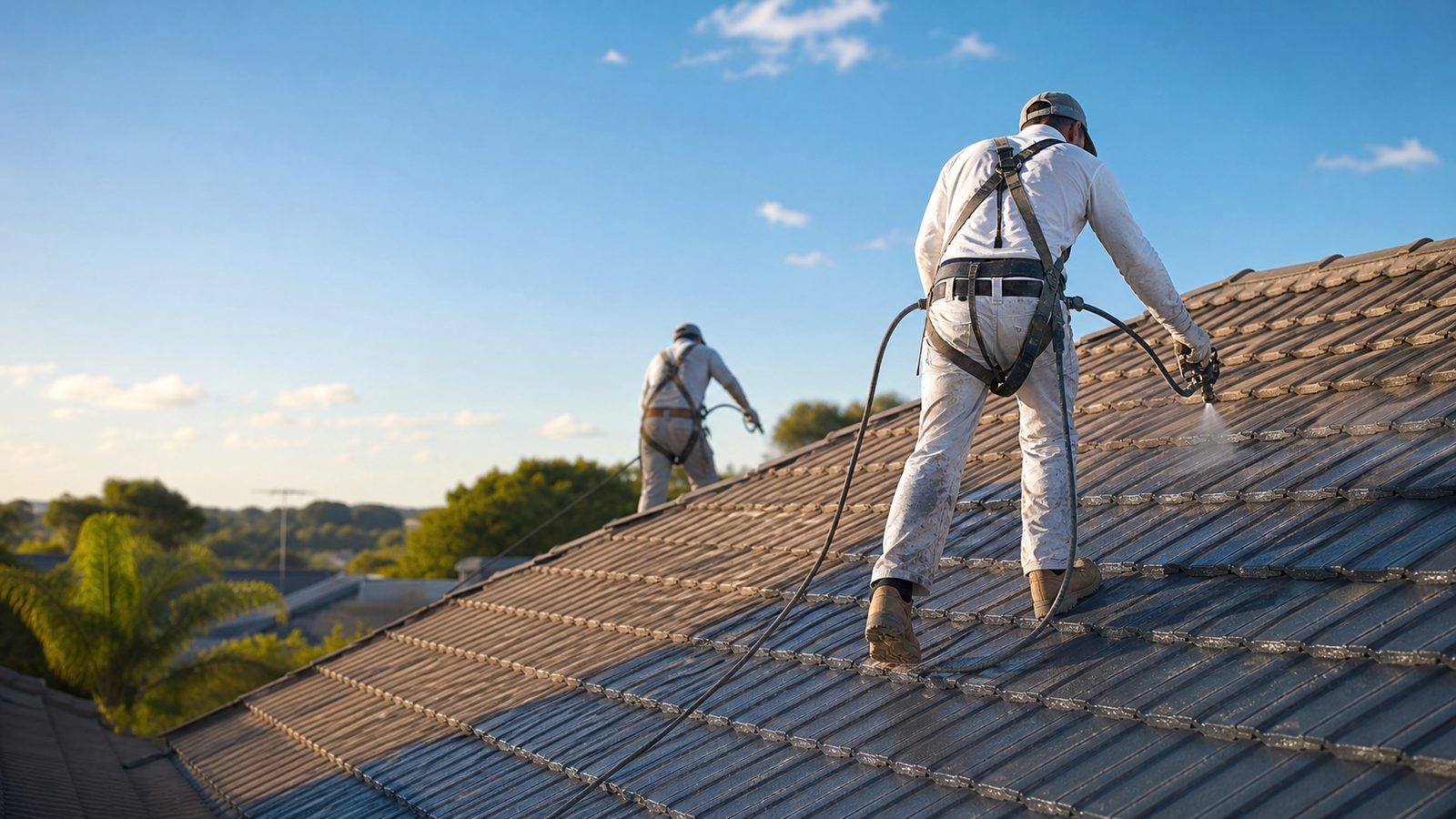
The number of coats does not describe the complete system. Ask for the product names, the role of any primer, the preparation method and the requirements used to judge application. A proposal with more coats is not automatically more suitable if those layers are applied over a weak or incompatible surface. The explanation should connect each stage to the identified condition.
Ask who will record the prepared surface before coating and what information will be retained. Product identification and application records can be valuable if a later problem needs investigation. A handover that contains only a colour name gives a future contractor little basis for understanding what was applied. Keep technical information with the invoice rather than relying on remembering a brand mentioned during the quote.
Avoid accepting an unsupported warranty duration as a substitute for a repair explanation. Where a written warranty is offered, read the actual terms, the issuer and the maintenance or application conditions. Distinguish the product arrangement from workmanship commitments. The guide does not establish what any particular contractor or manufacturer will cover; the relevant documents must do that for the specific job.
Where several proposals use different products, ask each contractor to describe the complete system in the same order: substrate assessment, removal, cleaning, preparation, primer where specified, finish and completion checks. Compare the purpose of each stage rather than trying to rank brand names yourself. Ask what finding would make the contractor stop before coating and seek further advice. A clear stop point is useful when a previously concealed failure appears after preparation.
Inspect the handover and plan the next observation
At completion, compare the work with the agreed scope. Ask for photographs of the prepared surface and finished areas, plus any repairs completed before coating. Record variations and why they were needed. If a leak was part of the original concern, ask how that repair was checked separately from the appearance of the new finish.
Ask when and how the surface can be assessed after the specified drying or curing period. Some appearance questions cannot be judged while a coating is still changing during that process. If a concern remains, describe the location and pattern with photographs rather than testing the surface yourself. Follow the product-specific instructions for maintenance and avoid unapproved cleaning intended to correct an early mark.
Keep the initial failure photographs with the final records. They help distinguish a recurrence in the same place from a new issue elsewhere. The brief builder below organises the substrate, visible failure and available history into questions for an assessment. Bring that record to the discussion before choosing a colour, so the proposed finish rests on a surface that has been properly understood and prepared.